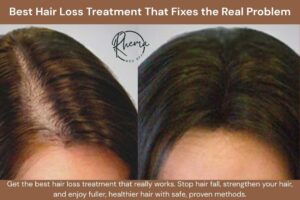


Hair Loss Restoration is not one single procedure. It is a plan that slows shedding, thickens miniaturized hair, and replaces hair where follicles no longer grow. Expect three pillars. Diagnose the cause. Preserve and regrow with medications or devices. Restore coverage with procedures like PRP and hair transplant when needed. Results build over months, not days.
What Hair Loss Restoration Really Means
Restoration of hair loss vs hair regrowth restoration
Restoration of hair loss means stopping the processes that drive thinning, then improving scalp coverage with therapies that thicken existing strands. Hair regrowth restoration adds new growth through stimulation or surgical redistribution. Medications like minoxidil and finasteride help preserve and thicken. Transplantation relocates follicles to bald areas when follicles are gone.
Who is a candidate for hair restoration for loss
Good candidates have a clear diagnosis, realistic goals, and sufficient donor hair for surgery if that step is planned. Early stage pattern loss often responds to medical therapy. Stable pattern loss with adequate donor supply suits transplant. Active scalp disease or scarring alopecia needs medical control first.
Hair Loss Causes and Early Warning Signs
Genetic, hormonal, and medical hair loss causes
Androgenetic alopecia is the most common driver in men and women. Hormonal shifts around pregnancy or menopause can thin hair. Thyroid disease, iron deficiency, medications, autoimmunity such as alopecia areata, and stress induced telogen effluvium also show up often. Treating the underlying condition matters as much as any topical.
Signs your hair is thinning and when to act
Watch for more scalp peeking through, a widening part, extra strands in the shower drain, and a shrinking ponytail. Under bright bathroom lights, the mid scalp looks see through. A common refrain is, My part looks wider. Early action works best since treatments maintain what is present and thicken miniaturized hair over time.
Hair Loss Restoration Myths vs Proven Solutions
Common hair loss restoration myths
- Shampoo alone can regrow bald areas. It cannot restore lost follicles.
- Hats cause hair loss. They do not cause pattern loss.
- Scarless transplant exists. All surgery creates some scarring. Good technique makes scars discreet.
- Biotin cures hair loss. It helps only if there is a deficiency .
- One PRP session is a cure. PRP needs a series and maintenance if used at all.
Proven solutions supported by clinical evidence
- Minoxidil is FDA cleared and helps many thicken hair and slow loss with ongoing use.
- Finasteride for men lowers DHT and slows loss. Some regrow hair. Side effects are uncommon.
- Transplant with FUT or FUE moves permanent follicles to thin areas for lasting coverage in pattern loss.
- LLLT can improve density in some studies, though long term data is limited.
- Corticosteroids help alopecia areata in select cases.
Evidence-Based Hair Loss Treatment Options
Medications, PRP hair loss restoration, and LLLT
Minoxidil topical 2 or 5 percent is a first line for men and women. Expect three to six months before judging results and continued use to maintain gains. Finasteride oral is for men with pattern loss. Women often use spironolactone off label with dermatology oversight. PRP concentrates platelets to signal follicles and is delivered in a series. LLLT caps or combs can be adjuncts, with modest density gains reported in some users.
Surgical options: FUT vs FUE hair transplant
- FUT takes a strip from the donor area which leaves a linear scar. It allows many grafts in one session.
- FUE removes tiny follicular units one by one which leaves dot scars and speeds recovery. It is discreet with short hair.
Both can look natural when planned and executed by an experienced, physician led team. No method stops future native hair loss, so maintenance therapy still matters.
Combining therapies for best hair loss restoration
Smart plans stack preservation with restoration. Use minoxidil and if appropriate finasteride or spironolactone to stabilize. Layer PRP or LLLT as adjuncts. Add FUT or FUE to fill permanent gaps. This combined path delivers the best hair loss restoration in real life.
Men vs Women: Best Hair Loss Treatment Paths
Best hair loss treatment for men
For most men, finasteride plus minoxidil forms the backbone. Add LLLT or PRP if goals include incremental thickening. Use transplantation when recession or crown loss outpaces medical gains. Reported sexual side effects with finasteride are uncommon, and shared decision making is key.
Best hair loss treatment for female
Women often start with minoxidil. Spironolactone is common in female pattern loss. PRP and LLLT can help some. Surgical restoration works when thinning is stable and donor hair is solid. Always evaluate hormones, thyroid, iron status, and traction habits first.
Products and At-Home Care for Regrowth Support
Hair loss shampoo: what it can and can’t do
Shampoo can support a healthier scalp and add cosmetic volume. It cannot revive dead follicles. Look for gentle formulas and skip harsh treatments during active shedding since that can aggravate breakage and scalp irritation.
How to choose hair regrowth products
- Pick evidence based activities. Minoxidil is the standout over the counter option.
- Be cautious with trendy blends. Biotin helps if deficient, not as a cure all.
- If buying a laser cap, choose an FDA cleared device and keep expectations measured.
Hair loss remedies: what helps and what to skip
- Helps. Stress management, gentle styling, balanced diet, minoxidil, medical therapy when indicated.
- Skip. Miracle oils that promise regrowth in bald areas, extreme supplements, and harsh chemical services during active shedding.
Choosing a Hair Loss Restoration Clinic Near You
Finding hair loss restoration near me
Search with intent. Use hair loss restoration near me and include your city. Map out consultations with board certified surgeons or dermatologists. Expect to see brand claims and product names such as hoegoa hair loss restoration shampoo. Treat those as ads, not proof.
Vetting credentials, reviews, and the Hair Loss Restoration Network
- Confirm physician qualifications and society membership. ISHRS and ABFCS are strong signals.
- Ask who performs harvesting and placement. The physician must lead.
- Review consistent before and after photos that match your hair type and pattern.
- Read patient stories on the Hair Loss Restoration Network community and similar forums to sanity check expectations.
What Results to Expect: Costs, Timelines, and Recovery
Restoring lost hair: expected timelines and outcomes
Medical therapy usually shows early changes by three to six months. PRP is delivered in a series with maintenance. Transplanted hair typically sheds then starts growth by month three or four, with most results at twelve months. Patience is the unglamorous hero here.
Recovery from hair loss: maintenance and prevention
Benefits fade when medication stops. Minoxidil works only while used. The same for finasteride benefits. Gentle hair care, nutrition, and stress control help keep gains steady. Follow ups help refine the plan over time.
Cost drivers and financing options
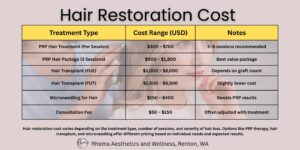
Cost reflects extent of loss, number of grafts, physician experience, and geography. Transplant is usually considered cosmetic and not covered by insurance. Many practices offer financing with monthly payments to spread costs.
At Rhema Aesthetics and Wellness, the refund and Return policy
FAQs
Is it actually possible to regrow lost hair?
Yes in the right context. Miniaturized hair often thickens with minoxidil or finasteride in men and spironolactone in women. Completely bald areas need surgical redistribution of follicles. Some causes like telogen effluvium resolve once the trigger is addressed.
Can your hair grow back after thinning?
Thinning from pattern loss can partially reverse with consistent therapy. Expect incremental gains, not overnight change. As a rule, earlier treatment equals better outcomes because there is more to rescue.
What to do if your hair is thinning?
- See a dermatologist to confirm the cause and rule out medical triggers. This directs the plan.
- Start evidence based therapy such as minoxidil, and discuss prescription options promptly.
- Consider PRP, LLLT, or transplant if goals include more coverage and the diagnosis supports them.
Conclusion and Next Steps
Personalized plan and professional consultation
Hair loss restoration is a journey. It needs a personalized plan. This plan combines diagnosis, preservation, and restoration. Patience and consistency are key. At Rhema Aesthetics, we guide you with expert care. Our treatments are personalized, focusing on your safety and comfort. Led by Aloni Le, DNP, ARNP, FNP-C, our team blends advanced medical expertise with a passion for natural, lasting results. Book your appointment today and start your path to renewed confidence and healthier hair. See Our Privacy Policy. Create your profile on Rhema Medical Center. Click here.