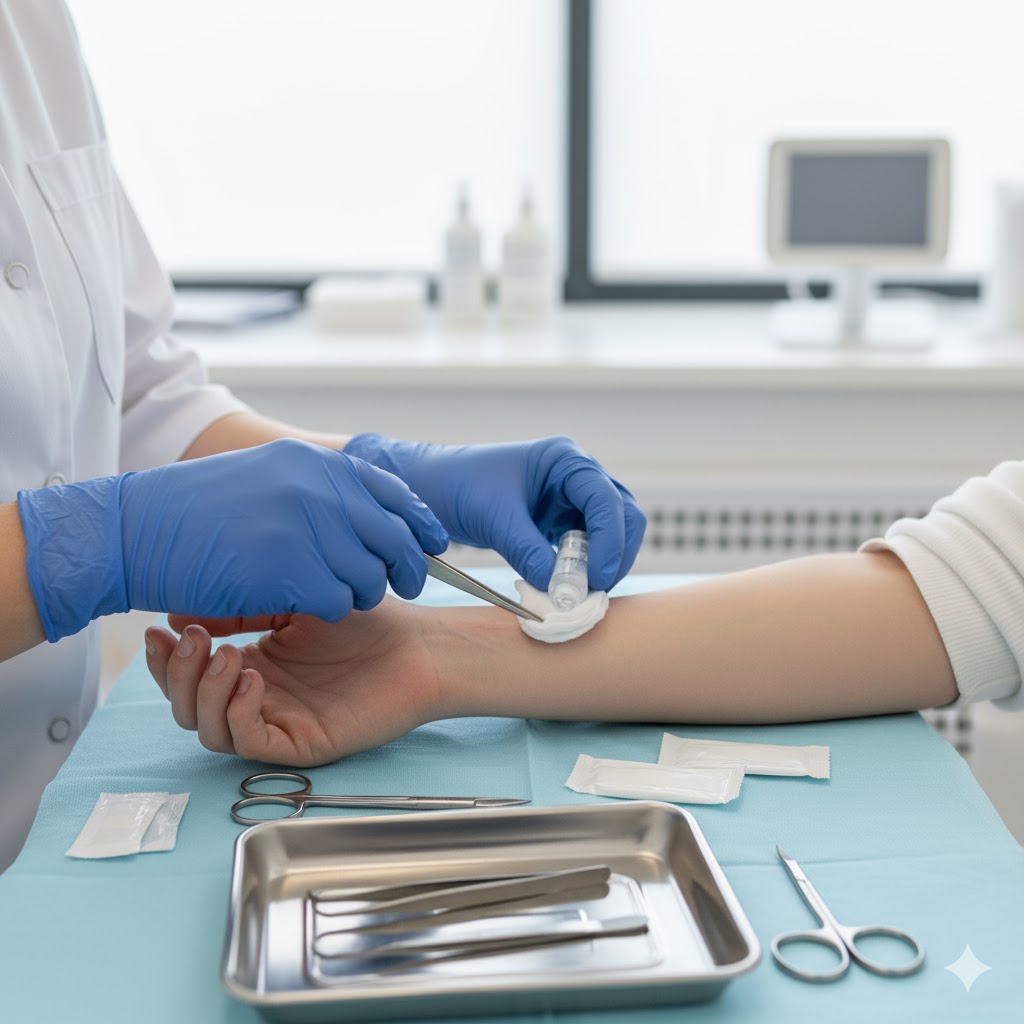
Even a small cut, scrape, or burn can turn serious if it doesn’t heal properly, leading to pain, infection, or long-term complications—something many people underestimate. In fact, millions of people each year experience wounds that fail to heal properly, leading to chronic pain, infections, and long-term complications.
Seek professional wound care if your wound isn’t healing in 7–10 days, shows spreading redness, unusual discharge, or severe pain.
In this article, we’ll walk you through the key warning signs, types of wounds that require professional attention, high-risk patient groups, and what to expect during a wound care visit—so you can make informed decisions for yourself or a loved one.
Understanding Expert Wound Care
Expert wound care treatment and chronic wound management go far beyond basic first aid, addressing infections, poor circulation, and slow-healing injuries. It involves advanced medical evaluation and targeted treatment designed specifically for wounds that are complex, slow to heal, infected, or caused by underlying health issues.
A wound care specialist evaluates not only the wound itself but also the factors contributing to slow healing, such as:
- Poor circulation
- Diabetes
- Infection
- Repeated trauma
- Nutritional deficiencies
- Pressure or friction
- Age-related healing challenges
Expert wound care may also include:
- Specialized dressings
- Debridement (removal of dead or infected tissue)
- Compression therapy
- Wound vac therapy (NPWT)
- Infection control and antibiotics
- Hyperbaric oxygen therapy (in severe cases)
This level of care ensures the wound heals safely and effectively—schedule your expert wound care consultation today to protect your health.
How Healthy Wounds Should Heal
Before identifying when something is wrong, it helps to understand what healthy wound healing looks like. A normal wound progresses through four key stages:
Stage 1: Hemostasis
Bleeding stops through clotting.
Stage 2: Inflammation
Redness and swelling occur as the body works to prevent infection.
Stage 3: Proliferation
New tissue forms and the wound begins to close.
Stage 4: Maturation
The wound strengthens and a scar develops.
When this process stalls or reverses, it often indicates that something is preventing the wound from healing properly—and that’s when expert care becomes crucial.
Warning Signs Your Wound Needs Professional Care
If you notice any of the following signs, it’s time to seek expert help. These symptoms indicate that the wound is struggling to heal and may even be worsening.
1. The Wound Isn’t Healing After 7–10 Days
A wound that shows no improvement—or worsens—within a week is likely developing into a chronic wound.
2. Increasing Pain Instead of Decreasing
Pain should gradually lessen over time. If it grows worse, it may signal infection or inflammation.
3. Spreading Redness or Red Streaks
Red streaking around the wound can indicate cellulitis, a serious bacterial infection.
4. Thick, Yellow, Green, or Foul-Smelling Drainage
Any unusual discharge suggests infection and requires prompt attention.
5. Excessive Warmth or Swelling
These symptoms point to active inflammation or infection.
6. Fever, Chills, or Fatigue
Systemic symptoms mean the infection may be spreading beyond the wound site.
7. Black, Brown, or Hard Tissue (Necrosis)
Dead tissue must be removed by a professional in order for healing to occur.
8. A Deep, Wide, or Gaping Wound
Wounds like this often need advanced closure, sutures, or specialized dressings.
Any of these warning signs mean that home care is not enough.
Types of Wounds That Require Expert Care Right Away
Some wounds should never be treated at home because the risk of complications is high.
Diabetic Foot Ulcers
Due to nerve damage and poor circulation, even small wounds can turn serious quickly.
Pressure Ulcers (Bedsores)
These require pressure relief, specialized dressings, and medical monitoring.
Deep Puncture Wounds
Sharp objects introduce bacteria deep into tissue, increasing infection risk.
Moderate to Severe Burns
Burns beyond a mild first-degree require medical care to prevent scarring and infection.
Surgical Wound Complications
If a surgical incision is opening, draining, or painful, professional care is essential.
Animal or Human Bites
These carry a high risk of infection and often require antibiotics.
Ignoring or delaying treatment for these wounds can lead to serious consequences.
High-Risk Patients Who Need Faster Care
If you are in Renton, WA, and belong to a high-risk group—such as diabetics, elderly, or post-surgery patients—don’t wait for symptoms to worsen; seek expert wound care immediately.
This includes:
- Diabetics
- Elderly individuals
- Patients with poor blood circulation
- People with immune system disorders
- Post-surgery patients
- Individuals with neuropathy
- Those with a history of slow-healing wounds
- Patients on steroids or immunosuppressants
If you belong to any of these groups, professional wound evaluation is strongly recommended.
The Risks of Delaying Expert Wound Care
When a wound doesn’t heal correctly, the risk of complications goes up significantly. These complications may include:
- Serious infections
- Cellulitis
- Tissue destruction
- Chronic non-healing wounds
- Long-term scarring
- Hospitalization
- Amputation (in extreme diabetic cases)
Early treatment reduces risk, improves outcomes, and shortens recovery time.
What to Expect During an Expert Wound Care Visit
If this is your first time visiting a wound care specialist, here’s what typically happens:
A Full Wound Assessment
Your provider checks the wound’s size, depth, tissue health, blood flow, and signs of infection.
Diagnostic Testing (If Needed)
This may include wound cultures, blood sugar testing, or imaging.
Customized Treatment Plan
Depending on your needs, this may involve:
- Advanced dressings
- Debridement
- Compression therapy
- Antibiotics
- Wound vac therapy
- Hyperbaric oxygen therapy
Regular Follow-Up Visits
Wound healing is monitored closely to ensure steady progress and prevent complications.
Expert Wound Care in Renton, WA — Where Your Healing Comes First
If you or someone you care about is dealing with a slow-healing or complicated wound, getting the right help at the right time is essential.
At Rhema Aesthetics & Wellness PLLC in Renton, WA, we specialize in advanced, comprehensive wound care treatment designed to speed healing, prevent infection, and restore comfort and mobility. Our approach is personalized, evidence-based, and focused on treating both the wound and the underlying factors affecting your recovery.
Our wound care services are led by Aloni Le, DNP, ARNP, FNP-C, a Board-Certified Nurse Practitioner with more than 13 years of advanced medical experience. With a deep understanding of complex and chronic wounds, our team provides the expert attention your healing requires—right here in the Renton community.
Conclusion: Don’t Wait for Complications to Appear
Don’t wait for complications. Call Rhema Aesthetics & Wellness PLLC in Renton, WA today to schedule your expert wound care consultation and start healing safely. The earlier you seek expert care, the faster your wound can heal—and the better your outcome will be.
Before ending this article, take a moment to reflect: Do you have a wound that seems slow to heal, looks unusual, or has been worrying you?
If the answer is yes, now is the ideal time to take action.
At Rhema Aesthetics & Wellness PLLC, we’re here to support your healing every step of the way with compassionate, expert care tailored to your needs. Your health, mobility, and comfort are worth investing in—don’t wait until it’s too late.